
Preserving Beauty and Performance in Luxury Architecture
Luxury homes often feature custom craftsmanship, fine materials, and architectural detail that elevate design beyond the functional. These spaces represent more than places to live—they convey identity and legacy. For that reason, the protection of structural components, surfaces, and finishes carries weight beyond routine maintenance. A building designed to inspire must also endure, especially when constructed in locations with environmental challenges like moisture, heat, or salt air. High-performance coatings, long associated with industrial infrastructure, now play a vital role in protecting premium homes without altering their aesthetic.
Balancing Aesthetics with Structural Longevity
In luxury construction, form and function must align. A coastal property with open-air terraces and expansive glazing faces salt intrusion. A mountain retreat with timber beams and poured concrete details confronts freeze-thaw cycles and UV exposure. Each design feature presents both beauty and vulnerability.
Rather than rely on visible barriers or materials that alter the texture or finish of key surfaces, architects and builders have turned to newer technologies. One solution gaining steady ground is the application of seamless protective coatings engineered to preserve material integrity without compromising design. These coatings do not serve as decorative elements. They bond to the underlying substrate and quietly extend its lifespan, shielding it from moisture, erosion, and environmental degradation.
For properties that blend natural materials—like exposed stone, wood, or concrete—with modern lines and outdoor integration, protective coatings offer invisible support that preserves clean edges and crisp transitions for years to come.
The Role of Polyurea in High-End Residential Builds
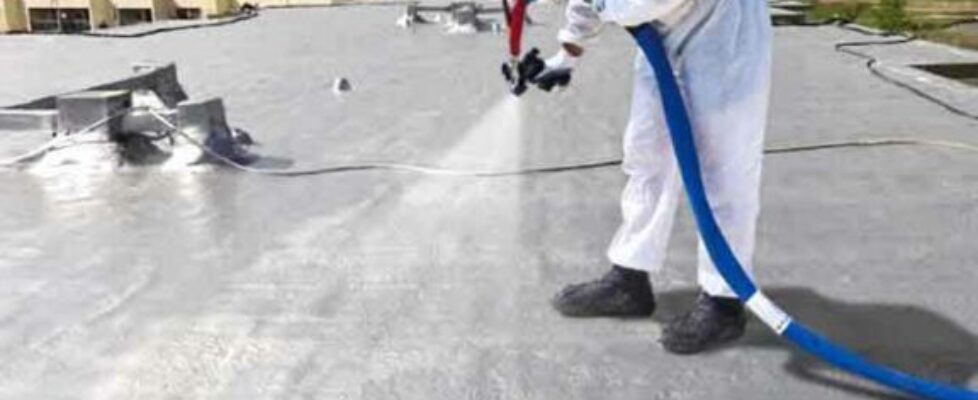
Polyurea, a coating system once reserved for infrastructure and defense, has moved into architectural use thanks to its ability to perform without drawing attention. The material forms through a chemical reaction between two components, creating a tough, flexible membrane that adheres tightly to various surfaces. It cures in seconds, bonds at the molecular level, and resists both water and UV exposure.
Builders use polyurea coatings to seal rooftop terraces, decks, pool surrounds, and mechanical areas where failure would lead to visible damage. Unlike paint or standard sealants, polyurea does not delaminate under pressure or temperature swings. It stretches slightly with the surface, preventing hairline cracks from becoming major leaks.
In luxury homes, where transitions between indoor and outdoor spaces are often seamless, water management must also be seamless. Polyurea offers that cohesion—applied beneath tile, stone, or concrete as a continuous protective layer. It holds tight where other materials fail, allowing the finishes above to do their job without compromise.
Subtle Protection for Complex Designs
Modern luxury homes often include flat roofs, cantilevered balconies, concealed drainage paths, and multi-material junctions. These features offer visual distinction but increase the complexity of moisture management. Any failure in the protective layer beneath them creates visible consequences—staining, warping, cracking, or worse.
Construction coatings designed for this context go beyond general-purpose materials. They are engineered to perform under load, over time, and across irregular surfaces. They bond not only to concrete but also to metal, wood, and composite systems without creating thick transitions or surface buildup.
For example, a rooftop garden over living space presents both beauty and risk. Beneath the soil and drainage mat lies the only thing protecting the interior from water intrusion. Polyurea applied to the deck below creates a monolithic barrier that neither roots nor runoff can penetrate. When applied correctly, the system integrates into the waterproofing plan without impacting architectural intent.
Reducing Maintenance Without Sacrificing Design
In luxury properties, deferred maintenance often leads to costly restoration. Preventing the need for frequent intervention becomes part of the long-term design strategy. The use of durable coatings means that high-traffic or weather-exposed areas can perform with less upkeep and without frequent recoating or surface replacement.
Patios and balconies, for example, take daily exposure to the elements. Sunlight, rain, and movement from outdoor furniture all wear down untreated surfaces. Over time, even dense concrete begins to show signs of fatigue. Polyurea systems installed beneath decorative overlays or within concealed details prevent water from reaching the structure while preserving the look above.
This quiet reliability fits the mindset of luxury homeowners who seek permanence and performance without visible compromise. It allows architects to continue designing bold spaces without fearing long-term maintenance risks.
Resources That Support Better Building Practices
As the adoption of polymer coatings grows, so too does the need for informed design and application. Publications like polyurea magazine have emerged to document best practices, material advancements, and case studies that guide builders and designers. These resources help bridge the gap between product science and practical application, ensuring materials are used correctly and effectively.
The value in these coatings is not only in their chemistry but in the care with which they’re integrated into construction plans. Application must follow preparation protocols. Thickness must be uniform. Environmental conditions must be accounted for. These aren’t limitations—they’re part of what ensures long-term success.
For homeowners investing in properties designed to last, this attention to detail pays dividends in fewer repairs, lower risk, and confidence that the beauty built today will stand strong for decades.
Conclusion: Invisible Materials That Protect What Matters
Luxury homes rely on both structure and surface to deliver lasting impact. They express taste, vision, and refinement. But beneath that expression lies the quiet work of performance—materials that resist failure, adapt to movement, and stand up to the demands of the environment. Polyurea coatings, used with care, contribute to this hidden strength.
They make no noise, draw no attention, and ask for no applause. But their contribution shows each time a deck stays dry, a joint remains sealed, or a rooftop terrace continues to perform through another storm. In the world of fine homes, that kind of quiet reliability matters more than it ever has.